U.S. Access Control Market Is Growing: How Businesses Are Upgrading Security Systems
Modern businesses must constantly evaluate their physical and digital security infrastructure to safeguard high-value assets, confidential data, and personnel. A primary mechanism for establishing this boundary is the implementation of a modern access control system, which regulates who can enter specific areas within a facility. Driven by heightened threat awareness and rapid technological evolution, the commercial security landscape is undergoing a substantial transformation nationwide.
This market momentum is underscored by concrete financial data across the industry. According to a market-analysis report on the U.S. access control market by Grand View Research, the U.S. access control market generated revenue of USD 2,622.6 million. This significant valuation reflects how deeply organizational leaders prioritize systemic upgrades. By modernizing legacy infrastructures, commercial enterprises are building highly resilient, scalable frameworks designed to handle complex, modern operational challenges.
Analyzing Market Growth and Commercial Drivers
The steady financial expansion within the United States highlights a broad industry shift toward proactive risk management. Organizations across corporate, healthcare, and educational sectors are actively moving away from traditional lock-and-key methods. They recognize that modern security demands precise, auditable tracking mechanisms. Rising awareness of physical vulnerabilities, combined with strict compliance mandates, continues to accelerate the deployment of these automated security solutions.
Technological refinement plays a major role in this commercial adoption curve. As modern authentication methods become more financially accessible, small and medium-sized enterprises are adopting solutions that were previously reserved for enterprise-level corporations. The threat landscape has grown increasingly complex, requiring physical security to interface cleanly with digital infrastructure. Consequently, protecting corporate property now requires a comprehensive strategy that guards physical entry points and network access simultaneously. This convergence ensures that a vulnerability at a physical door cannot easily be exploited to compromise server rooms or digital networks.
Industry-specific operational needs also drive substantial market demand. Healthcare facilities utilize advanced authorization tools to secure pharmacy inventories and protect patient privacy under strict federal regulations. Educational campuses implement automated physical restrictions to control visitor traffic and maintain student safety across large geographic areas. This diverse, cross-industry demand ensures sustained financial investment and continuous engineering innovation across the commercial security sector, prompting manufacturers to design more tailored, niche-specific features.
Integrating Advanced Authentication Methods
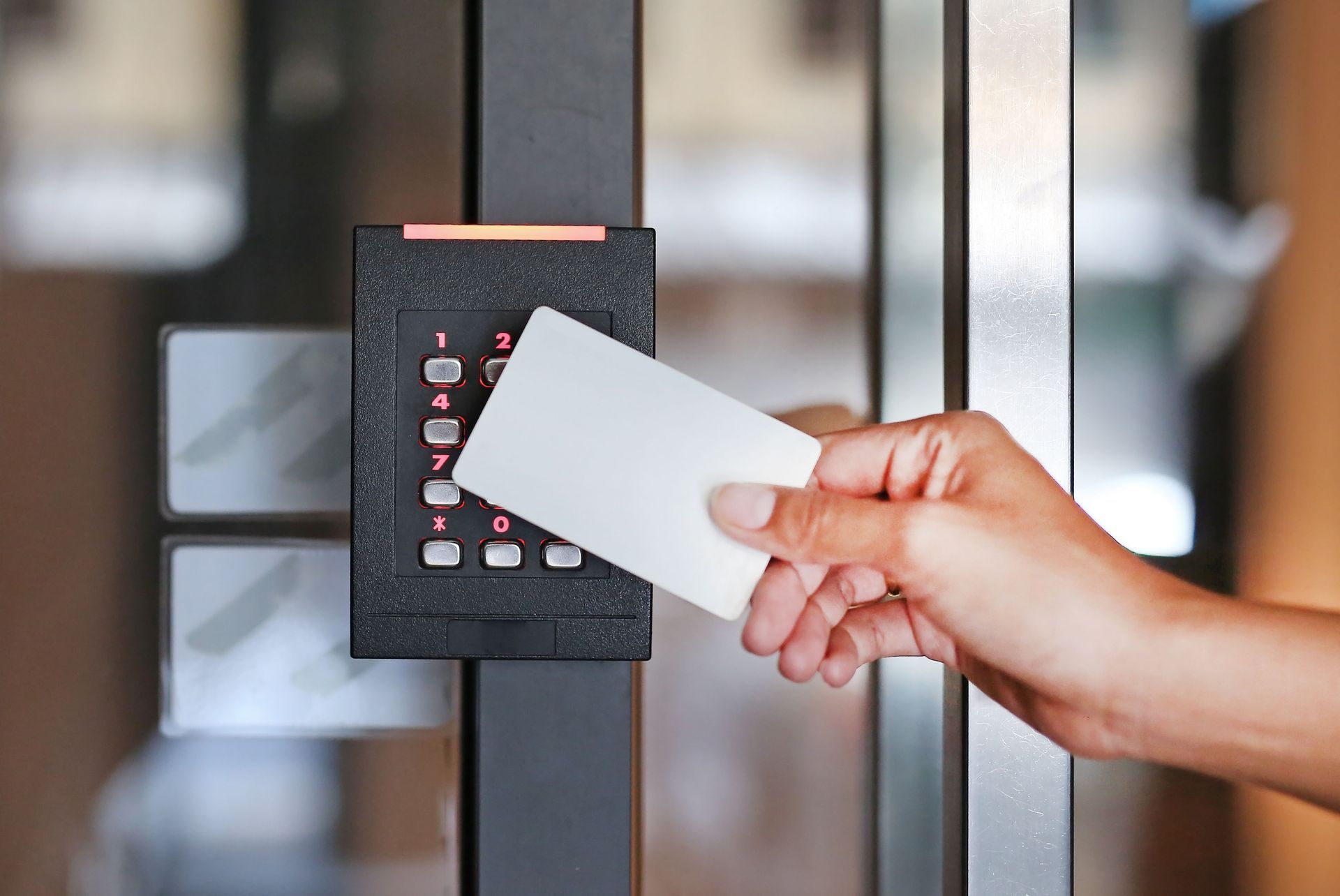
Deploying cutting-edge hardware is fundamentally changing how personnel interact with secured entry points. Biometric identifiers and facial recognition technology have shifted security away from easily misplaced physical credentials. By utilizing unique physical traits, an enterprise access control system minimizes the risk of credential sharing or card theft, providing a high level of identity verification for restricted areas.
Simultaneously, smart cards and radio-frequency identification (RFID) architectures are becoming highly sophisticated. Modern smart credentials leverage advanced cryptographic encryption algorithms to block credential cloning and signal interception attempts. These high-frequency mechanisms allow security administrators to instantly grant, modify, or revoke individual access rights across entire regional facilities, optimizing localized traffic control and administrative efficiency.
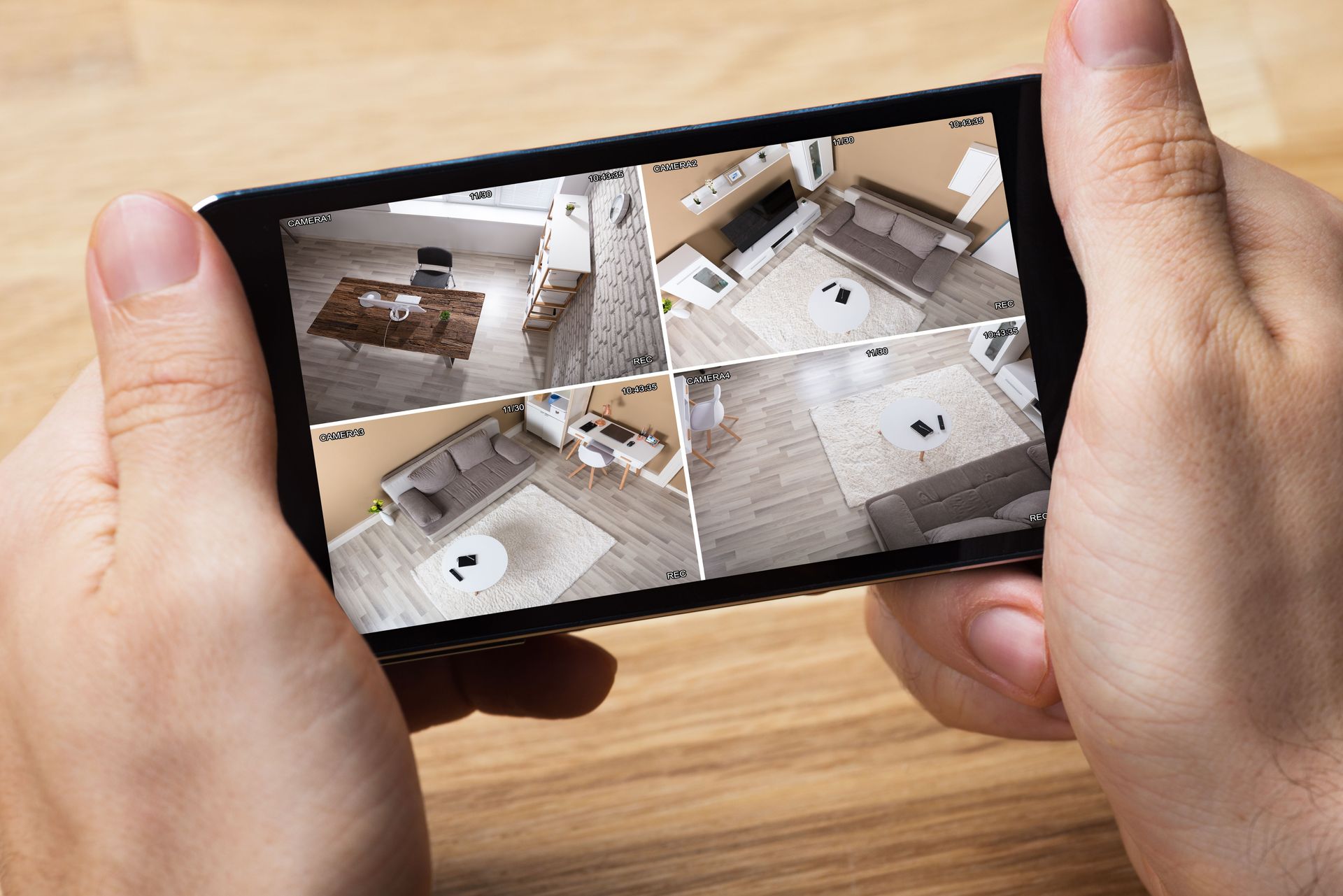
Mobile credentialing represents another significant shift in modern facility management. Leveraging smartphones via Bluetooth Low Energy (BLE) or Near Field Communication (NFC) allows enterprises to eliminate physical badges. This mobile-first strategy simplifies visitor management, lowers plastic card production costs, and aligns with current remote work patterns by allowing administrators to issue temporary credentials over the air. Furthermore, because users are inherently more protective of their personal smartphones than a standard corporate badge, the likelihood of a credential being left behind, lost, or borrowed is dramatically reduced.
Evaluating Business Shifts Toward the Cloud
Transitioning from on-premises hardware to cloud-hosted management platforms is rapidly transforming modern corporate security architectures. Legacy configurations often required dedicated local servers, extensive on-site maintenance, and manual software updates. Cloud-based deployments remove these regional operational pain points by centralizing system administration into unified, web-accessible interfaces available from any authorized location.
This web-centric approach provides exceptional scalability for growing corporations. When an enterprise expands into a new regional facility, integrating additional entries into a cloud-managed access control system requires minimal local infrastructure. Real-time data streams provide security personnel with immediate visibility into access events across all connected sites, drastically reducing incident response times.
Furthermore, cloud environments facilitate deep integration with artificial intelligence and the Internet of Things (IoT). By feeding access logs into AI-driven analytics tools, operational platforms can flag anomalous entry patterns, such as an employee badge attempting authentication at multiple geographic locations simultaneously. This predictive capability transforms access infrastructure from a passive physical barrier into an active, intelligent threat-detection network that can preemptively lock down assets before a breach fully materializes.
Adapting to Modern Workplace Requirements
The global health events of recent years have permanently altered how organizations design facility entry workflows. Minimizing physical contact points became an operational priority, leading to a major surge in touchless verification systems. Touchless biometrics and smartphone-based authentication allowed enterprises to maintain rigid security boundaries while supporting workplace health and hygiene initiatives.
In tandem with health-conscious hardware, administrative security policies have evolved to support distributed workforces. With hybrid schedules now commonplace, rigid, static facility schedules are no longer sufficient. Modern network configurations allow human resources software to sync directly with entry tracking, ensuring an employee's physical access permissions mirror their current active employment status and scheduled in-office hours. This dynamic scheduling sharply reduces the window of vulnerability, ensuring buildings remain tightly secure during off-peak hours.
Regulatory compliance heavily influences modern corporate access policies. Financial institutions, defense contractors, and healthcare providers face stringent audits requiring detailed logs of who entered sensitive areas and when. Utilizing a modern, automated access control system gives compliance officers complete, unalterable digital audit trails, mitigating liability risks and protecting the organization from heavy regulatory fines.
Upgrading Infrastructure for Long-Term Value
Investing in modernized security systems offers clear, long-term financial advantages that extend far beyond simple loss prevention. By mitigating physical breaches, intellectual property theft, and internal asset diversion, enterprises protect their bottom-line profitability. A robust security posture also builds significant brand trust, assuring clients and stakeholders that their sensitive data rests within a highly protected environment.
Additionally, modern systems reduce ongoing administrative overhead. Automated badge provisioning, remote lock management, and self-service visitor kiosks allow facilities teams to operate efficiently without requiring constant manual intervention. Over time, these operational efficiencies offset the initial capital expenditure of upgrading legacy hardware, delivering a sustained and measurable return on investment while freeing up IT personnel for high-priority tasks.
As security threats continue to grow more sophisticated, maintaining outdated security infrastructure introduces severe vulnerabilities. Forward-thinking companies view physical protection as an ongoing, strategic asset that requires regular technological updates. By committing to a flexible, modern access control system, organizations protect their current personnel and assets while laying a secure, future-proof foundation for business expansion.
Another major advantage of upgrading modern security infrastructure is the ability to generate actionable operational intelligence from access data. Detailed analytics help organizations identify traffic bottlenecks, monitor facility usage trends, and improve workforce efficiency through informed space management decisions. Security administrators can also customize authorization hierarchies based on departmental roles, project requirements, or time-sensitive operational needs. As cybersecurity and physical security continue converging, organizations increasingly recognize that protecting facilities requires interconnected systems capable of adapting in real time. This strategic integration strengthens business continuity planning, enhances emergency response coordination, and creates a safer, more resilient workplace environment for employees and visitors alike.
The rapid expansion of the domestic security market underscores the vital role that advanced protection systems play in modern corporate strategies. From integrating artificial intelligence to expanding mobile credentialing, today's options provide unprecedented flexibility and defense capabilities. Prioritizing these upgrades ensures that an enterprise can adapt seamlessly to emerging threats and evolving operational demands. For more information about the services that we offer, reach out to our incredible team at Surveillance Technologies LLC today!


Share On: