How Access Control Technology Enhances Overall Facility Security
In today’s rapidly evolving security landscape, businesses of all sizes are recognizing the value of integrating advanced access control technology into their protection strategies. A robust business security system is no longer limited to surveillance cameras or alarm systems; it increasingly includes access control solutions that regulate who can enter specific areas and when.
These technologies help deter unauthorized entry, protect assets, and provide peace of mind for employees, visitors, and stakeholders alike. Access control technology goes beyond traditional lock-and-key methods by combining authentication strategies, digital monitoring, and real-time reporting. This comprehensive approach enhances physical security while empowering businesses to manage their facilities more effectively.
Strengthening Physical Security With Controlled Entry Points
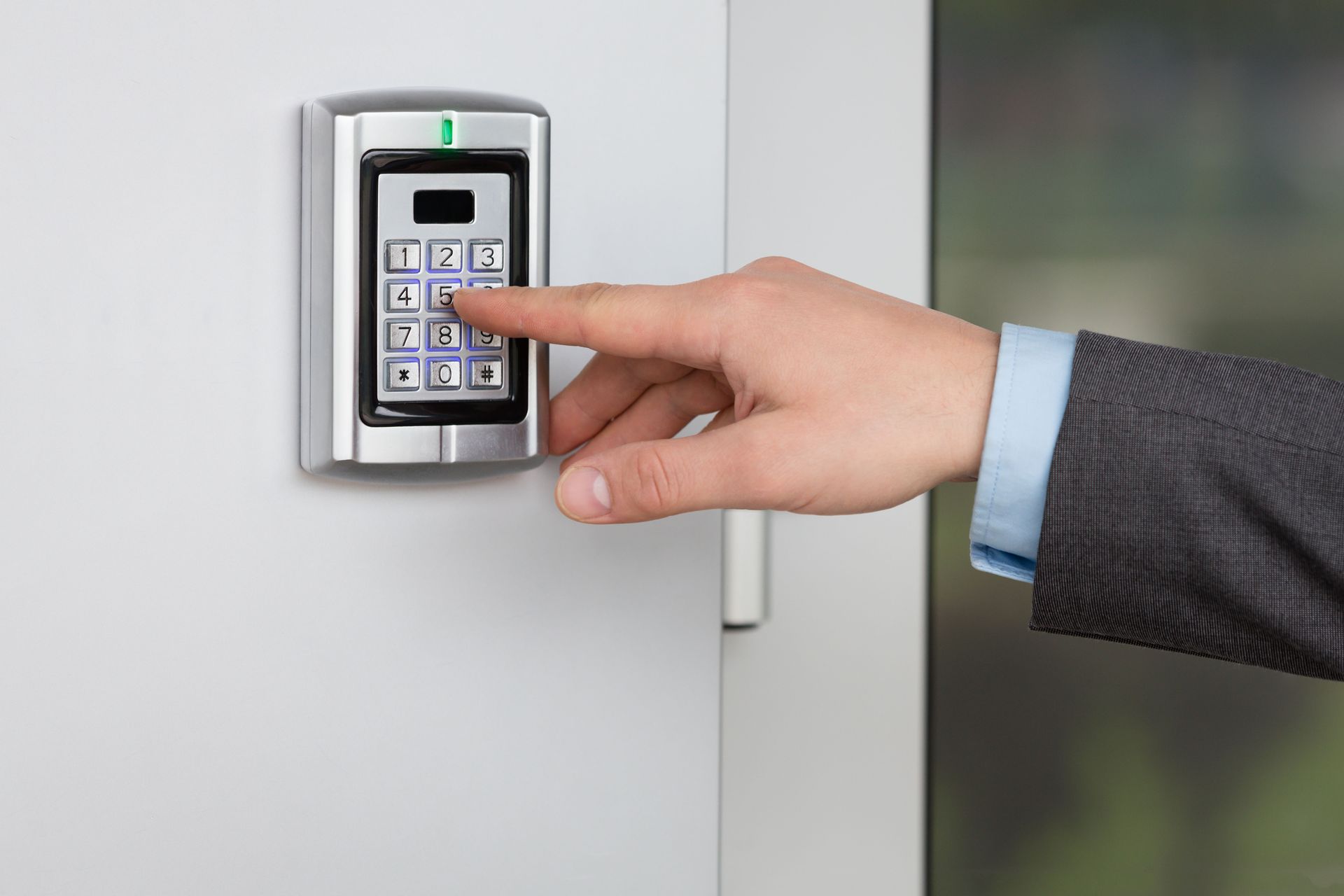
One of the most fundamental aspects of access control technology is its ability to regulate entry points throughout a facility. Traditional locks offer limited protection, as keys can be lost, duplicated, or shared without oversight. Access control systems, on the other hand, rely on electronic credentials — such as keycards, mobile credentials, fobs, or biometric identifiers — that can be monitored and managed centrally.
With access control in place, only authorized individuals gain entry to sensitive or restricted areas. Each access attempt is logged, providing valuable data that can help identify unusual activity patterns. Real-time alerts can notify security personnel immediately when unauthorized access is attempted, enabling rapid response to potential threats. This elevated level of control significantly enhances the overall resilience of a business security system by reducing the risk of break-ins and internal security breaches.
The presence of a strong security posture is often enough to deter would-be intruders. According to a study conducted by the University of North Carolina at Charlotte, approximately 60% of convicted burglars reported that the presence of a security system influenced them to choose a different property as their target. When potential intruders perceive a facility as difficult to breach, access control technology becomes a frontline defense in discouraging criminal behavior.
Enhancing Accountability Through Activity Logging
Another key benefit of access control technology is its detailed tracking and audit capabilities. Each time an individual uses their credential to enter a door, turnstile, or secure area, the system records the time, location, and identity of the person. These logs create a detailed activity trail that can be used for investigations, compliance reporting, and understanding patterns of movement throughout a facility.
In environments where accountability is critical — such as healthcare facilities, research labs, financial institutions, or manufacturing plants — access logs offer a layer of transparency not typically achievable with traditional locks. If an incident occurs, security teams can review entry records to determine who accessed relevant areas, at what times, and whether any irregular patterns emerged.
This level of oversight strengthens a business security system by giving organizations the data they need to make informed security decisions. Whether it’s reconciling after-hours access or validating employee movements, access control logs serve as a reliable record of activity that enhances both security and operational awareness.
Improving Employee Safety and Confidence
Access control technology plays an important role in not just safeguarding facilities, but also in fostering employee confidence. Employees who feel safe at work tend to be more productive and engaged. Knowing that access to the workplace is carefully regulated — and that unauthorized individuals cannot freely enter — can enhance overall morale and create a culture of security awareness.
For example, access control systems can restrict entry to areas that house sensitive equipment, confidential information, or hazardous materials. In environments where safety is paramount, such as laboratories or industrial facilities, limiting access to trained personnel helps mitigate the risk of accidents or unintentional exposure to dangerous situations.
Additionally, emergency lockdown capabilities are a powerful safety feature. In the event of a security threat, access control systems can automatically restrict movement across the facility or lock down specific zones to protect occupants. This kind of coordinated response is an integral component of any modern business security system and can make a meaningful difference in crises.
Facilitating Scalable Security as Your Business Grows
As organizations grow, their security needs evolve. Access control technology offers a scalable solution that can adapt to new requirements without extensive infrastructure changes. Whether expanding to additional buildings, integrating with existing systems, or onboarding new employees, modern access control solutions provide flexibility that traditional lock-and-key methods simply cannot match.
For example, administrators can easily add or revoke access permissions as staffing changes occur, eliminating the need to rekey doors or change locks. Temporary access can be granted to contractors or vendors for specific timeframes, reducing administrative burden while maintaining strong security protocols. This flexibility supports operational efficiency while ensuring that a business's security system remains robust and up to date.
Cloud-based access control solutions further enhance scalability by allowing remote management of multiple locations from a single interface. Security administrators can synchronize permissions across facilities, monitor system health, and respond to alerts — all in real time. As a result, growing businesses can maintain consistent security standards no matter how widely distributed their operations become.
Integrating Access Control With Broader Security Technologies
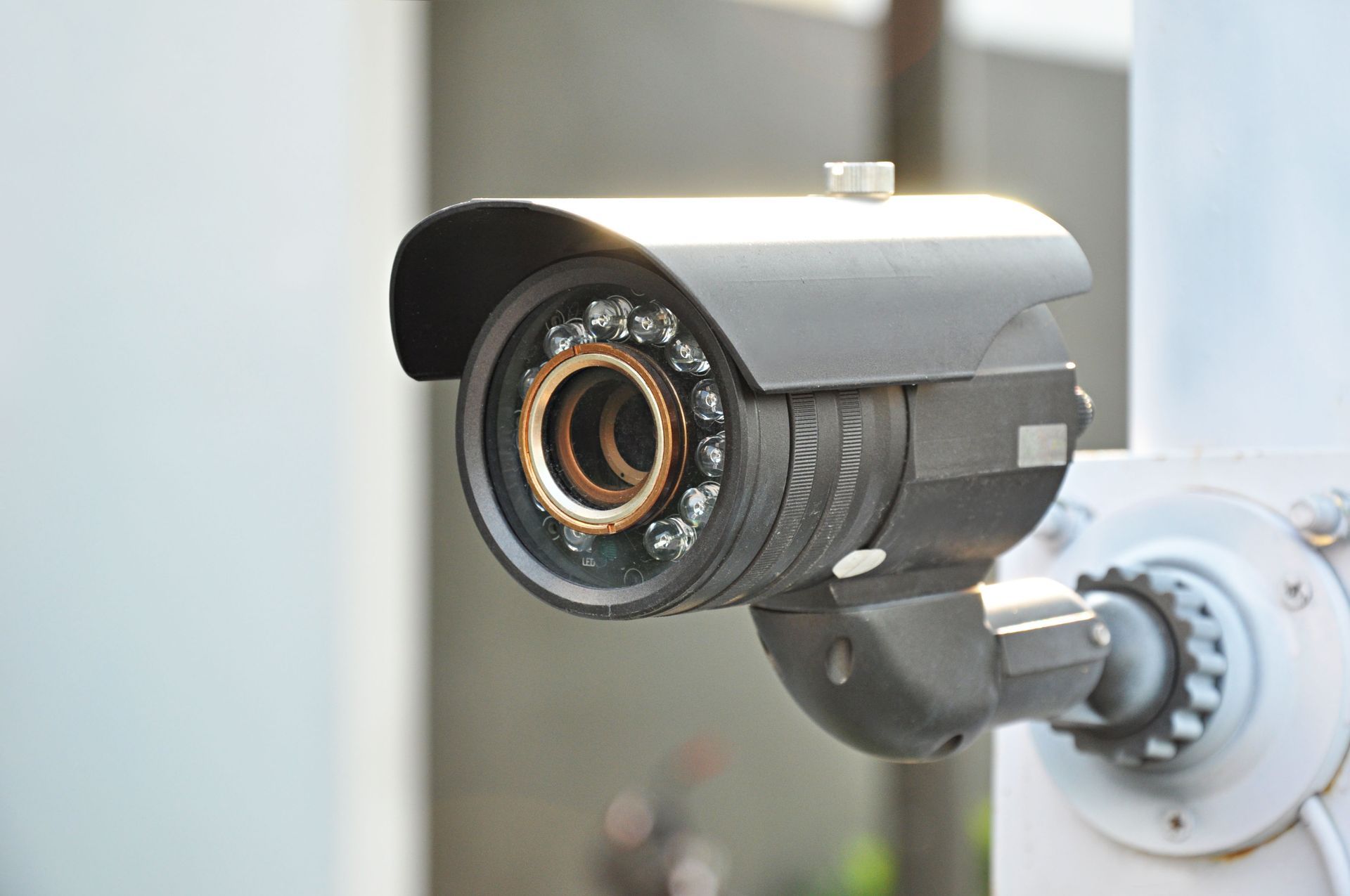
Access control technology works best when integrated with other security components to form a comprehensive protection strategy. Integration with video surveillance, for example, allows security teams to correlate access events with recorded footage. This pairing provides visual verification of entry attempts and improves investigative capabilities.
In addition, modern access control systems can integrate with intrusion detection sensors, alarm systems, and visitor management platforms. When an access attempt fails or a door is forced open, the system can trigger an alarm and notify appropriate personnel immediately. Such integrations enhance situational awareness and accelerate response times.
With advanced analytics and reporting tools, organizations can identify security trends, evaluate vulnerabilities, and optimize their business security system accordingly. These insights support proactive risk mitigation and help align security investments with organizational priorities.
Supporting Compliance and Regulatory Requirements
Many industries are subject to strict regulatory and compliance requirements related to physical security. Healthcare organizations, data centers, financial institutions, and government facilities often must demonstrate that they have effective access controls in place to protect sensitive information and critical infrastructure.
Access control technology provides the tools needed to meet these obligations. Detailed audit logs show who accessed restricted areas and when, helping organizations comply with regulatory standards such as HIPAA, PCI DSS, or other industry-specific mandates. Automated reporting can simplify compliance reviews and reduce the administrative burden associated with manual recordkeeping.
By incorporating access control into a broader business security system, organizations not only improve security outcomes but also strengthen their ability to pass audits, maintain certifications, and uphold regulatory best practices. This dual benefit enhances both operational integrity and stakeholder confidence.
Reducing Operational Costs Over Time
Although implementing access control technology represents an initial investment, the long-term operational savings can be substantial. Traditional lock systems require physical key management, rekeying when keys are lost, and ongoing maintenance of mechanical components. Access control systems — especially those that leverage digital credentials — reduce or eliminate many of these ongoing expenses.
Administrators can remotely manage access privileges, reducing the need for locksmith services. Digital systems can reduce lock replacements and limit physical maintenance. Additionally, access control integration with other security technologies can reduce the need for manual monitoring, cutting labor costs, and improving efficiency. By investing in access control as part of a comprehensive business security system, organizations can reduce both direct and indirect costs over time. The result is a more secure environment that supports long-term sustainability.
If you’re ready to strengthen your security posture and protect your assets, contact the experts at Surveillance Technologies LLC for comprehensive access control and business security system solutions tailored to your needs. Their professional team will help you design, install, and maintain systems that provide peace of mind and lasting protection. Secure your facility with confidence — and take the next step toward a safer, more resilient future today with advanced business security system solutions from Surveillance Technologies LLC.


Share On: