How to Choose the Right Surveillance Camera System for Your Business
Protecting a commercial property requires more than locking the doors at the end of the day. Business owners must think about employee safety, customer confidence, inventory protection, and the ability to respond quickly when unexpected situations arise. A thoughtfully designed security strategy can reduce risks while creating a more secure environment for everyone who enters the property.
Choosing surveillance camera systems is an important part of that strategy. The right solution should fit the layout of the property, align with daily operations, and provide dependable performance over time. Rather than focusing only on equipment, business owners should consider how every component works together to support long-term security goals.
Every organization has unique priorities, making it essential to evaluate both current concerns and future needs before making a decision. By understanding the factors that influence system performance, businesses can invest with confidence while avoiding unnecessary limitations later.
Understanding Business Security Requirements
Every commercial property presents different security challenges. Retail stores may focus on preventing theft, while offices often prioritize employee safety and access control. Warehouses may require continuous monitoring of inventory movement, and industrial facilities frequently need broad coverage across expansive spaces.
A careful assessment of daily operations helps determine where protection is needed most. Entry points, customer areas, storage spaces, parking areas, and restricted locations all deserve thoughtful consideration. Understanding how employees and visitors move throughout the property allows security professionals to recommend solutions that provide meaningful coverage without creating unnecessary blind spots.
Research also highlights the importance of visible security measures. According to a study conducted by the University of North Carolina at Charlotte, about 60% of convicted burglars surveyed indicated that the presence of a security system influenced their decision to target a different property. This finding demonstrates how surveillance camera systems may contribute to discouraging criminal activity before an incident even occurs.
Evaluating Camera Placement Strategies
Selecting quality equipment is only part of creating an effective security solution. Strategic placement plays an equally important role in ensuring important activity is properly documented and monitored.
Professional planning begins with understanding the property’s layout and identifying areas that require continuous visibility. Entrances and exits are obvious priorities, but loading areas, employee workspaces, parking lots, reception areas, and inventory storage locations may also require careful attention. Proper placement allows cameras to capture meaningful footage without unnecessary overlap or missed areas.
Environmental conditions should also influence placement decisions. Lighting changes, weather exposure, reflective surfaces, and surrounding structures can all affect image clarity. Evaluating these factors before installation helps create dependable coverage throughout changing conditions.
Well-planned surveillance camera systems support smoother investigations by providing clear, useful footage when questions arise. Instead of relying on isolated viewpoints, businesses benefit from coordinated coverage that creates a more complete understanding of activity throughout the property.
Considering Advanced Security Features
Technology continues to improve commercial security capabilities, providing businesses with valuable tools beyond traditional video recording. Modern systems often include intelligent features that simplify monitoring while improving response times.
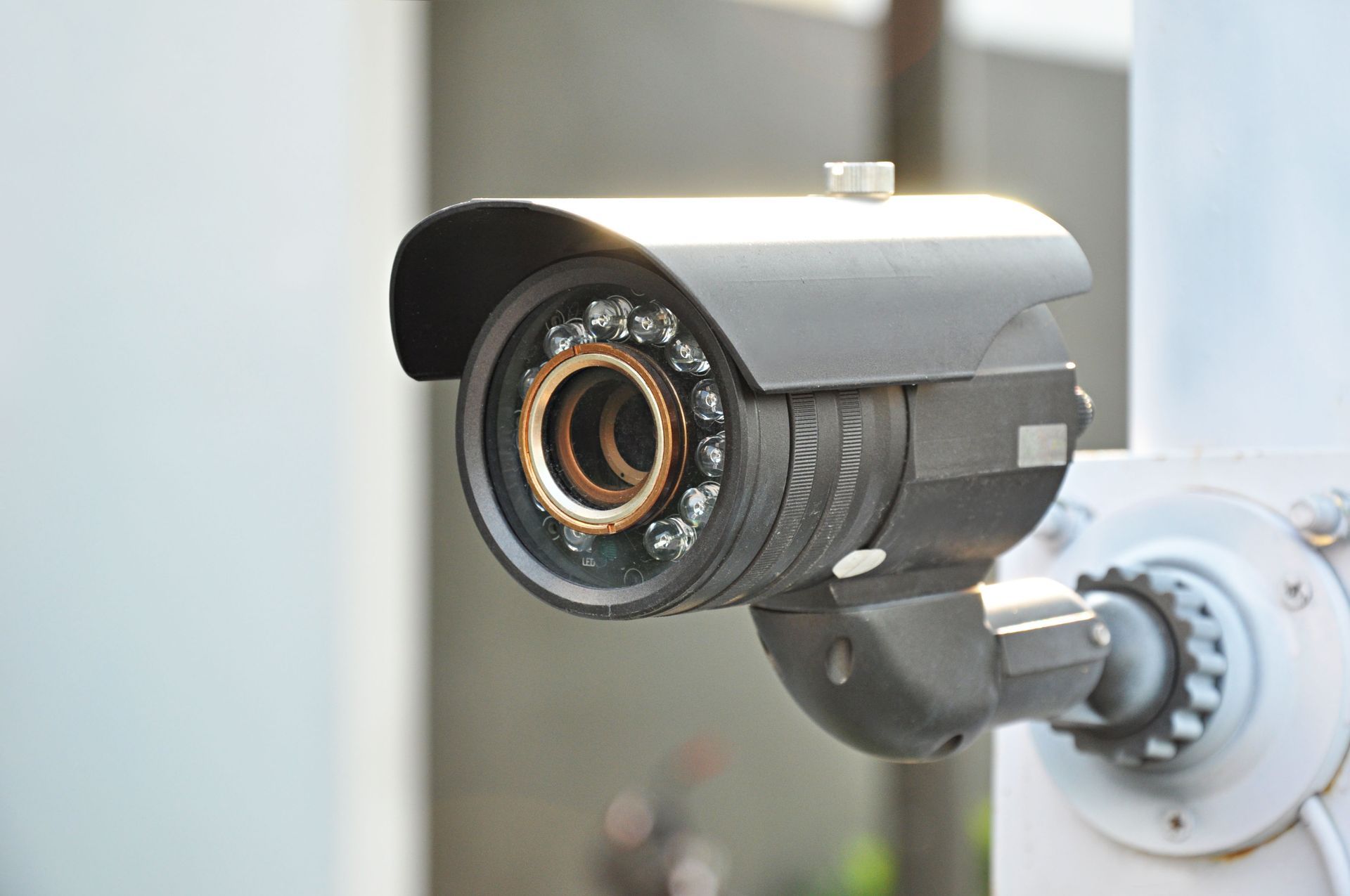
Clear image quality allows businesses to review important events with greater confidence. Reliable visibility during varying lighting conditions helps ensure footage remains useful throughout changing environments. Consistent performance becomes especially valuable when reviewing incidents that require close attention.
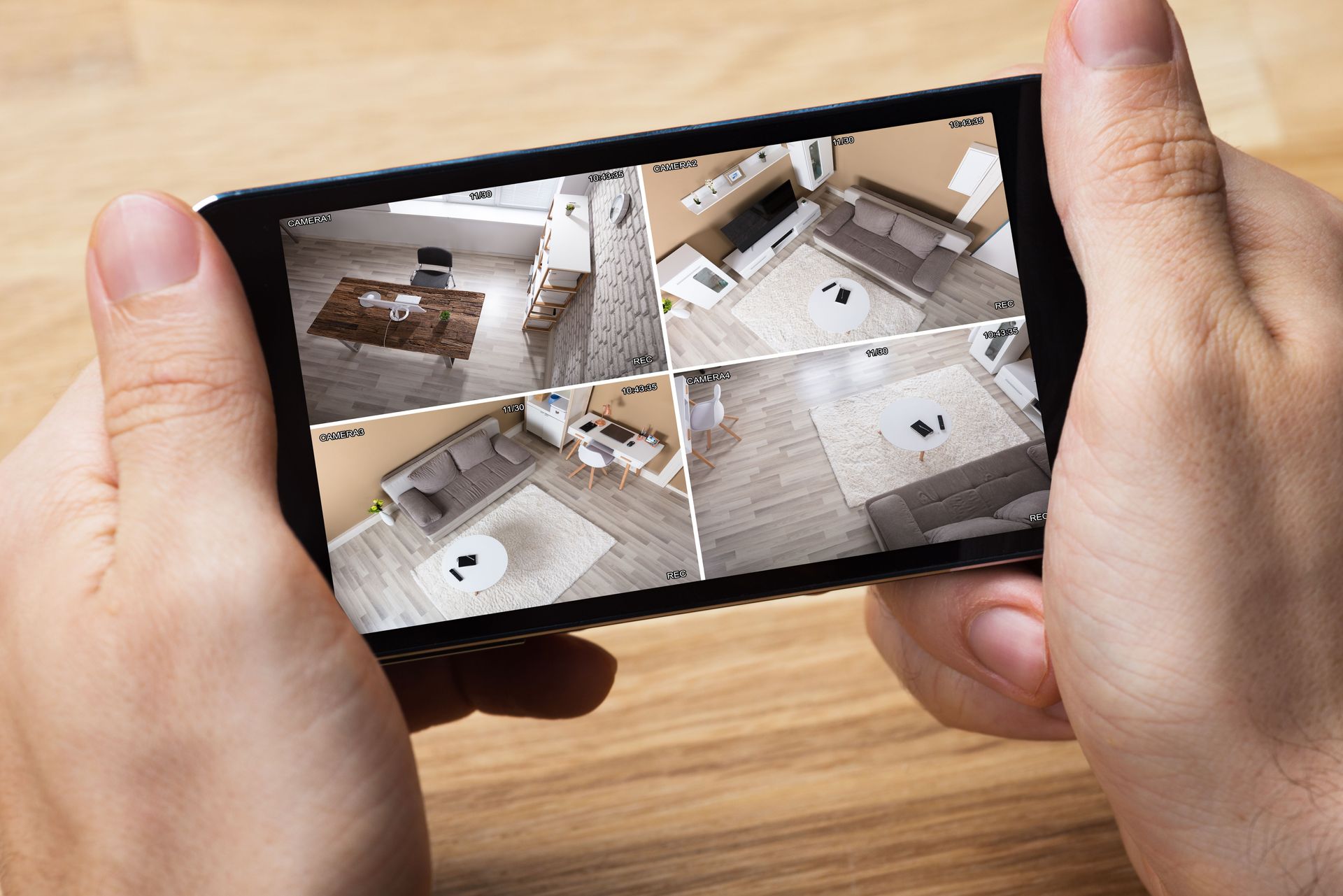
Remote access also offers important operational benefits. Authorized personnel can review activity from approved devices while remaining informed about conditions across the property. This flexibility supports faster awareness without requiring someone to remain physically present at all times.
Many organizations also appreciate notification features that help identify unusual activity requiring attention. These capabilities support proactive security management while allowing staff to focus on daily responsibilities.
Choosing surveillance camera systems with appropriate features should always be guided by business objectives rather than simply selecting every available option. A thoughtfully designed solution delivers meaningful value by matching technology with operational needs.
Prioritizing Scalable System Design
Business operations rarely remain unchanged. Organizations expand, relocate departments, introduce new services, or modify building layouts as needs evolve. Security planning should support that growth instead of creating unnecessary limitations.
Scalable solutions allow businesses to adapt without replacing an entire security infrastructure. As operational demands change, additional coverage can often be integrated into an existing design through careful planning performed during the original installation process.
Long-term flexibility also supports budget efficiency. Rather than investing in equipment that quickly becomes outdated or insufficient, businesses benefit from systems capable of accommodating future changes while maintaining dependable performance.
Compatibility between components is another important consideration. A well-designed security solution functions as a coordinated network instead of unrelated pieces of equipment operating independently. Consistent integration improves usability, simplifies management, and enhances overall reliability.
Businesses that invest in adaptable surveillance camera systems position themselves to respond more effectively as organizational needs continue to develop over time.
Selecting Reliable Professional Support
Even the most advanced equipment performs best when supported by experienced professionals. Security planning involves more than selecting cameras. It includes understanding operational goals, evaluating risks, designing appropriate coverage, and ensuring dependable long-term performance.
Professional consultation helps businesses identify practical solutions that align with their specific environment. Security specialists consider building design, operational workflows, regulatory considerations, and future expansion plans while developing recommendations tailored to each property.
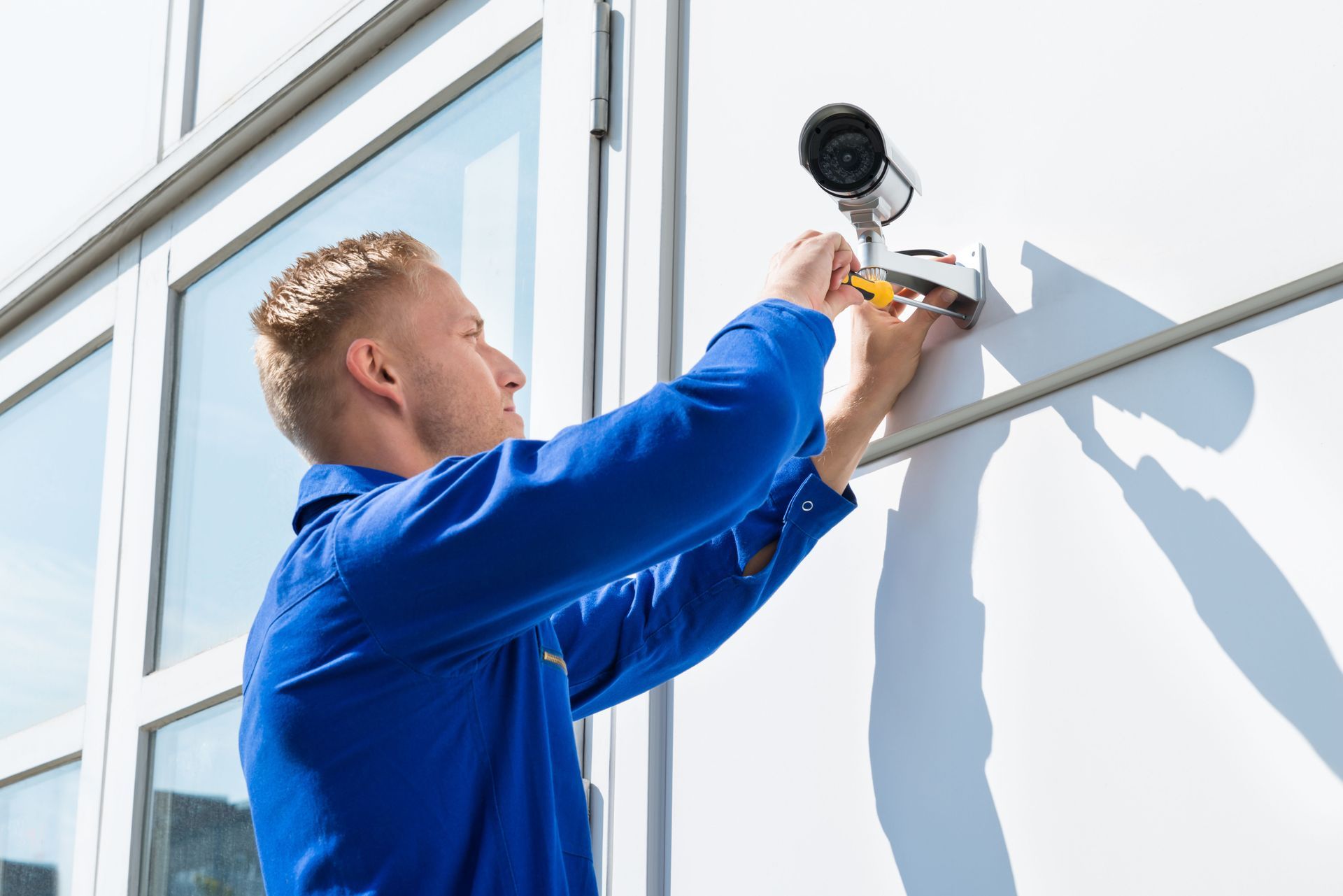
Ongoing maintenance also contributes significantly to system reliability. Routine inspections, software updates, performance evaluations, and timely service help maintain consistent operation while reducing the likelihood of unexpected issues affecting security.
Responsive technical support becomes especially valuable whenever questions arise or operational adjustments become necessary. Businesses benefit from knowing experienced professionals remain available to assist as security requirements evolve.
Investing in professionally supported surveillance camera systems provides confidence that both equipment and ongoing service work together to protect the organization effectively.
Partnering With Experienced Security Professionals
Selecting a security solution involves balancing technology, planning, operational requirements, and long-term reliability. Experienced professionals understand how these elements interact and can recommend solutions that align with both immediate priorities and future goals.
Every property presents unique challenges that require individualized attention. Rather than relying on generalized recommendations, professional guidance helps ensure each component contributes meaningfully to the overall security strategy.
Thoughtful planning also minimizes unnecessary complexity. The goal is not simply installing cameras throughout a building but creating a comprehensive system that supports daily operations while providing dependable documentation whenever needed.
Businesses also benefit from clear communication throughout the planning process. Understanding available options, expected performance, maintenance considerations, and future flexibility allows decision-makers to proceed with confidence while avoiding uncertainty.
By working with experienced security professionals, organizations can select surveillance camera systems that deliver practical value, dependable operation, and lasting peace of mind. Experienced specialists take the time to evaluate the property’s layout, identify potential vulnerabilities, and recommend solutions that align with the organization’s day-to-day operations as well as its long-term goals. They also consider factors such as future expansion, system integration, image quality, and ongoing maintenance to ensure the investment continues providing reliable performance.
Choosing the right security solution requires careful planning, professional expertise, and a clear understanding of how the system will support daily business operations. From evaluating property needs and camera placement to selecting advanced features and planning for future growth, every decision contributes to creating a safer environment for employees, customers, and valuable assets.
A professionally designed security strategy provides more than recorded footage. It supports confidence, improves awareness, and helps businesses prepare for unexpected situations with dependable technology tailored to their unique needs. If you are ready to strengthen your commercial security, contact us at Surveillance Technologies LLC to learn how our team can help you choose surveillance camera systems designed to protect your business today and well into the future.
Share On: